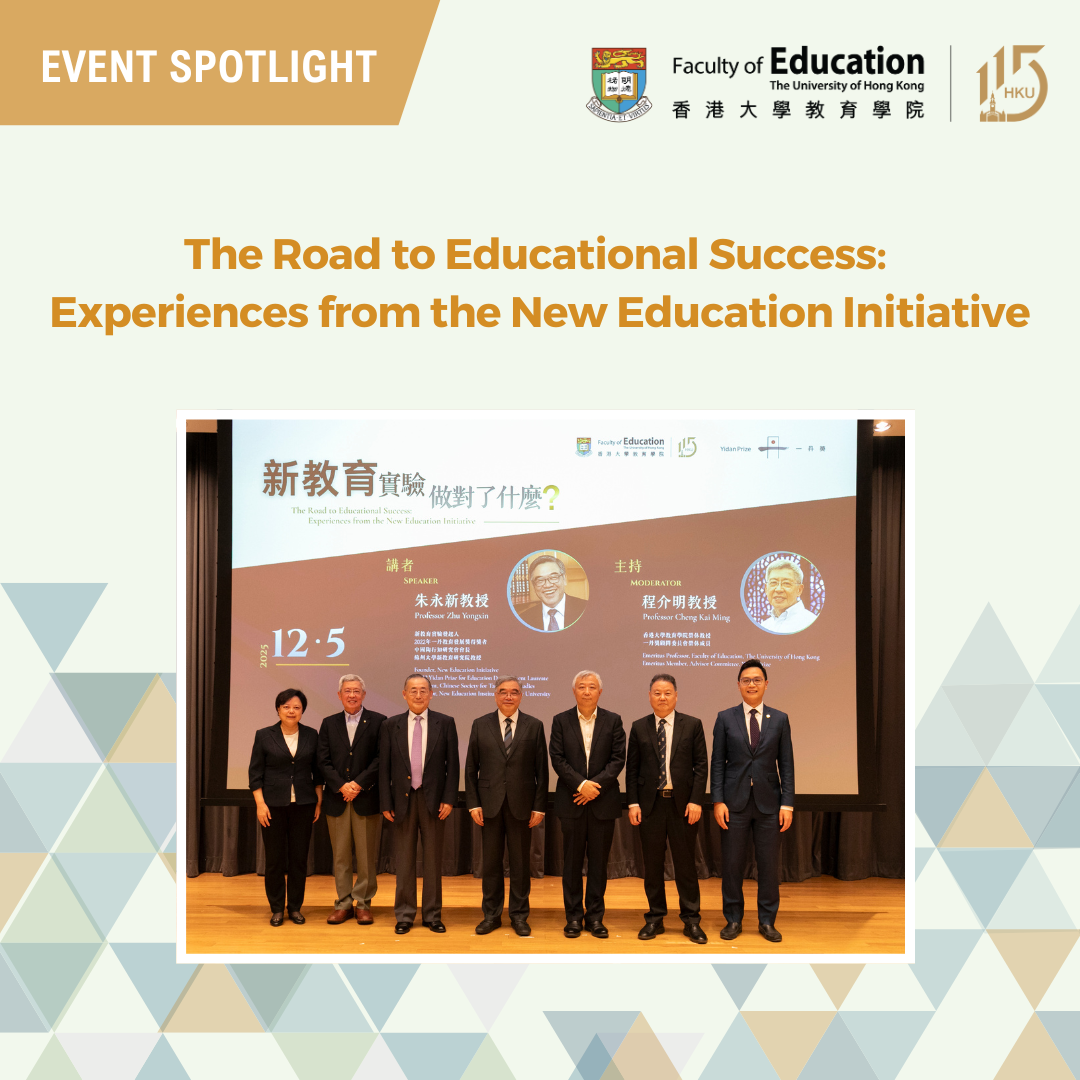
“The Road to Educational Success: Experiences from the New Education Initiative” by Professor Zhu Yongxin, Founder of the New Education Initiative
Updated on December 05, 2025 (Fri)
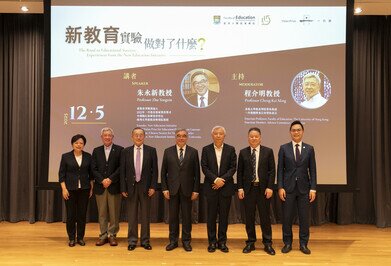
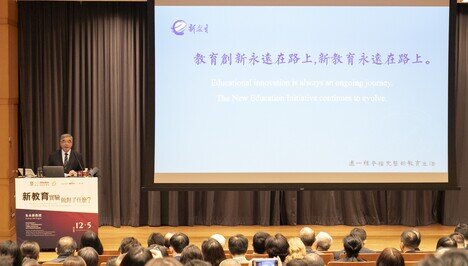
The HKU Faculty of Education and the Yidan Prize Foundation jointly hosted a lecture titled “The Road to Educational Success: Experiences from the New Education Initiative” on December 5. The event brought together international scholars, educators, local policymakers, students, and community members for a thought-provoking session. The speaker, Professor Zhu Yongxin — one of China’s most influential contemporary educators, the 2022 Yidan Prize for Education Development Laureate, and Founder of the New Education Initiative (NEI) — shared practical insights drawn from his two decades of work advancing educational equity and inclusion, and explained how the NEI has transformed education in China through action.
The event began with welcome remarks by Professor Gong Peng, Vice-President and Pro-Vice-Chancellor (Academic Development) of HKU, who expressed gratitude to Professor Zhu for his presence and insightful sharing. Professor Gong emphasised that teachers, as transmitters of knowledge and guides for students, play a crucial role in addressing the educational challenges of the 21st century through their innovative capabilities, humanistic spirit, and global vision.
Professor Yang Rui, Dean of the Faculty of Education at HKU, recognised Professor Zhu’s remarkable contributions to the field of education, which have gained widespread acclaim both in China and internationally. He highlighted Professor Zhu’s philanthropic gesture of donating the entire fund of the Yidan Prize for Education Development to establish the New Teacher Foundation, which supports teacher professional development. This act of generosity, Professor Yang noted, embodies the public welfare spirit advocated by the NEI. He also extended his gratitude to the Yidan Prize Foundation for its invaluable support to the event.
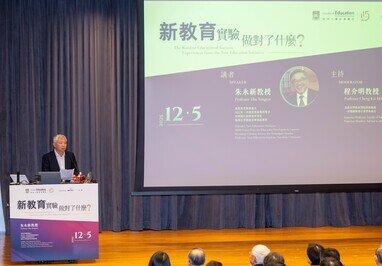
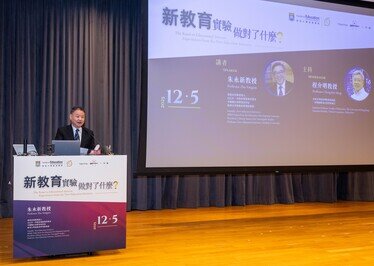
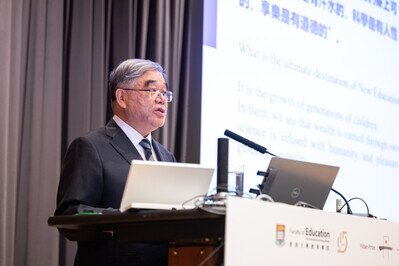
Professor Zhu Yongxin began his lecture by explaining the origins of the NEI and its guiding principles: “One Mission, Two Visions, Four Spirits, Five Major Concepts”. At the heart of the initiative lies the commitment to prioritising students’ growth. Through ten key actions, such as creating a campus rich in reading culture and encouraging teachers and students to co-write essays, the initiative aligns with the national curriculum’s goal of cultivating well-rounded individuals with unique personalities. It ultimately seeks to achieve the goal of enabling students and teachers to live fulfilling and meaningful educational lives.
One of Professor Zhu’s beliefs is: “Just as an individual’s intellectual growth is shaped by their reading history, a school without reading can never achieve true education.” The NEI, therefore, emphasises the cultivation of a society-wide culture of reading to improve the overall quality of education. Professor Zhu also highlighted the importance of enhancing teachers’ professional competence and passionate dedication, sharing inspiring stories of teachers’ growth within the initiative. Additionally, he shed light on how the NEI has leveraged public welfare efforts, and collaborated with education authorities and schools to create synergies that empower education systems.
Reflecting on two decades of fruitful progress, Professor Zhu shared that, by 2025, the NEI has reached 229 county-level divisions, engaged more than 11,000 schools, and benefited over 10 million teachers and students nationwide — a scale and impact that is truly remarkable in the history of education development in China and abroad. Looking ahead, he discussed six key directions for integrating artificial intelligence (AI) into education, underlining the importance of upholding the essence of education: “The essence of education lies in shaping souls and nurturing talent, while the value of AI is to expand the possibilities of education rather than replace its fundamental purpose.” He stressed that while embracing AI and technological advancements, educators must remain guided by core values and prioritise human connection in learning. By inspiring students with both scientific rigour and a sense of humanity, educators can nurture a new generation ready for future challenges. Concluding his lecture, Professor Zhu expressed the hope that the NEI would continue its mission of being a constructive force in Chinese education, safeguarding the certainty of education in an uncertain future.
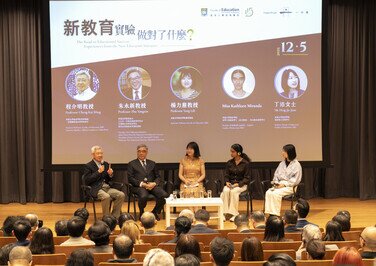
The lecture was followed by a lively dialogue session, moderated by Professor Cheng Kai Ming, Emeritus Professor at the HKU Faculty of Education and Emeritus Member of the Advisor Committee of Yidan Prize. Professor Zhu joined the discussion with Professor Yang Lili, Assistant Professor from the HKU Faculty of Education, as well as Ms Ding Jie Jane, a student from the Doctor of Education programme and Miss Kathleen Miranda, a student from the BA&BEd (Language Education) programme. During the session, Professor Zhu explored how the NEI’s people-centred and life-focused philosophy could be spread globally. He also discussed strategies for fostering students’ genuine passion for learning and personal growth, even within standardised examination systems. At the end of the session, Professor Zhu reiterated that while leveraging technology to enhance learning efficiency, cultivating a habit of reading and a passion for pursuing knowledge is of the utmost importance.
This lecture provided a valuable platform for exchange, enabling participants to draw inspiration from the successful experiences of the NEI. At the same time, it showcased the deep integration of educational theory and practice, contributing to the advancement of future educational innovation.