Press Release:
HKU Public Forum on Digital Education Policy in Hong Kong
Shaping the Future of Digital Education in Hong Kong: Navigating AI and Innovation
新聞稿:港大舉辦香港數字教育政策公眾論壇
塑造香港數字教育的未來 引領人工智能與創新之道
Updated on November 13, 2025 (Thu)
HKU Public Forum on Digital Education Policy in Hong Kong
Shaping the Future of Digital Education in Hong Kong: Navigating AI and Innovation
The public forum “Shaping the Future of Digital Education in Hong Kong: Navigating AI and Innovation” was held on November 1, 2025 (Saturday). Organised by the Centre for Information Technology in Education (CITE) of the Faculty of Education at The University of Hong Kong (HKU), this event aimed to contribute to the formulation of the upcoming Digital Education Blueprint and the AI Literacy Learning Framework. The Forum was attended by over 100 participants, including representatives from the Education Bureau and HK Education City (HKEdCity), principals and teachers with rich experience of implementing e-learning, as well as teacher educators, education researchers, and members of the EdTech industry.
Panel Discussion on AI and Shaping Hong Kong’s Digital Education Blueprint
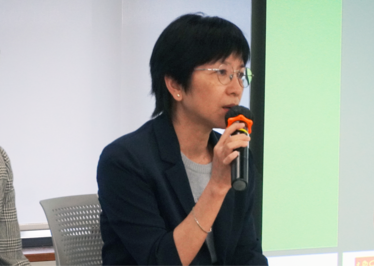
The Policy Forum culminated in a highly productive and inspiring panel discussion featuring key stakeholders in education. The session was facilitated by Professor Nancy Law, Chair Professor of Learning Sciences and Technology, Associate Dean (Strategic Development) at HKU Faculty of Education and Deputy Director of CITE. The discussion focused on essential elements for shaping the Hong Kong Digital Education Blueprint – AI & Innovation. Ms Edith Tse, Principal Assistant Secretary (Innovation Technology Education), Education Bureau of the HKSAR, remarked that the policy blueprint, which will set out measures in achieving the vision of digital education, aims to prepare students and schools for the future. She noted that many schools already have a solid foundation in innovative and effective digital education practices, as exemplified by the five presentations jointly delivered by university researchers and school practitioners.
Ms Hidi Tse, Vice Principal at St. Margaret’s Co-educational English Primary and Secondary School, a veteran practitioner and parent of a 15-year-old, cautioned that AI in education must be coupled with continuous (critical) thinking capabilities and attention to mental health. Additionally, Mr Chu Ka Tim, Chairman of The Hong Kong Association for Computer Education (HKACE) and Principal of Shatin Pui Ying College, highlighted the association’s 45-year legacy in bridging different sectors to advance digital education. He emphasised the importance of engaging multiple partners as agents of change. Ms Michelle Lee, Head of Business and Communications at HKEdCity, elaborated on the role of HKEdCity as Hong Kong’s official digital education platform. She explained that the platform aims to facilitate the integration of technology in schools by connecting teachers, the Education Bureau, and industry partners.
In his closing remarks, Professor Gary Wong, Associate Professor at HKU Faculty of Education and Director of CITE, reframed the goal of digital education. “The most important core is to help future students develop better problem-solving abilities to face new challenges,” he said, linking the effective use of AI back to the foundational skill of computational thinking. Professor Nancy Law also summarised the key takeaways, emphasising that digital education must be grounded in sound pedagogy and prioritise the changing role of teachers to facilitate learner agency and creative problem solving. It should be integrated within a framework of 21st-century skills, and advanced through whole-school and community-wide collaboration. The forum demonstrated a clear and unified vision from Hong Kong’s education community: to harness the power of AI not as an end in itself but as a tool to empower communities, transform learning, and foster a more confident, innovative and critically engaged generation. “Our goal is to prepare the next generation to be future-ready, and this is a challenge for all of us,” she concluded. She closed the Public Forum by referencing CITE’s mission statement: “Empowering communities and transforming learning”.
Experience Sharing Sessions on Implementing AI in Teaching and Learning
During the experience sharing sessions with five different themes, teachers and principals from local schools, along with scholars from HKU Faculty of Education they partnered with, shared their experiences in pedagogical and curriculum integration of AI and digital tools to prepare students for the future.
Theme 1: A Gen AI System to Support Personalised Science Learning and Self-Regulation
Ms Yau Wing Yee, STEAM Coordinator of St. Stephen’s Girls’ College shared insights from students and teachers who have used FunSci, the AI application developed by Professor Shihui Feng, Assistant Professor at HKU Faculty of Education, in their Science classes. FunSci encourages students to exercise agency to explore critically and deeply in their learning. “The system doesn’t simply give the answers to the students, but asks many questions, prompting students to learn how to use AI to arrive at their own answers,” noted a science teacher, highlighting the role of FunSci in promoting critical thinking and inquiry.
Theme 2: Multimodal Assessment Innovations in Language Education using Gen AI
Professor George Jiang, Assistant Professor at HKU Faculty of Education, has been developing a programme for implementing Multimodal Assessment Innovations using GenAI. Multimodal assessment allows students to learn and to demonstrate their creativity and critical thinking beyond traditional literacy. A collaborating English language teacher, Ms Purswani Neha Radhakrishan of Ching Chung Hau Po Woon Primary School shared how engaging in this project would contribute towards enhancing linguistic creativity, assessment literacy, digital literacy and safety for her school. Positive student feedback was cited, such as, “Creating my story was so enjoyable. I love adding colourful pictures and funny sounds.”
Theme 3: Unleash Creativity and Foster Responsible Use of AI
Mr Samuel Chan, Vice Principal of La Salle College, introduced the school’s efforts in cross-subject curriculum innovation, involving the integration of language and coding education that provides students with opportunities to leverage Internet of Things (IoT) control technology to address authentic everyday problems. During the 2025-26 school year, La Salle College plans to integrate AI use in its STEAM curriculum to unleash student creativity and foster responsible use of AI. Professor Logan Chen, Assistant Professor at HKU Faculty of Education, commended the School on their remarkable commitment to realising this vision by entering the age of AI hand in hand together with every teacher and every student.
Theme 4: Promoting Computational Thinking Education through Gen AI
Professor Gary Wong pointed out that teachers’ professional development is essential for advancing computational thinking education, especially as we build on existing foundations in the evolving landscape of AI education. Mr So Ping Yiu and Ms Yip Wing Tung of Kowloon Tong School (Primary Section) shared the challenges in introducing AI in primary schools and that they value the opportunity to explore feasibility and practicability issues through school-university partnership. Mr Lee Kwok Leung, Vice Principal of Tsuen Wan Public Ho Chuen Yiu Memorial Primary School opined that teachers are the cornerstone of effective AI integration. AI for inclusive, future-ready classrooms can only become reality if teachers can also play a leadership role in a supportive ecosystem that centres professional development.
Theme 5: School Level AI Policies Supporting Transformative Pedagogical Innovations and Ethics-Aware Curriculum Implementations
Dr Rachel Pak On Ko, Lecturer of CITE, introduced the Quality Education Fund supported ‘Innovation Network for STEAM Mature, AI Ready Talents’ (INSMART) project. This network aims to foster a self-generative and sustaining ecosystem for AI-integrated self-directed STEAM learning by developing schools’ capacity to design and orchestrate multilevel connected learning across and within schools, including students, teachers, and school leaders. Ms Yuen Wai Sze, the Principal and Mr Choi Chi Kin, the E-Learning Coordinator of Christian Alliance Toi Shan H. C. Chan Primary School presented their school’s vision of embedding AI ethics and literacy in interdisciplinary learning and how the school designed their team structure and strategies to promote school-wide participation in AI integration, involving whole school curriculum innovation and deepening professional collaboration. Dr Chan Wai Wun and Dr Chan Pik Ying, Principal and Assistant Principal respectively of LKWFSL Lau Wong Fat Secondary School, shared their school-based digital education policies and practices.
For details about the Public Forum, please visit: https://www.cite.hku.hk/event/20251101forum.
For media enquiries, please contact Dr Jane Mok of the Centre for Information Technology in Education (Tel.: 3917 5936 / E-mail: [javascript protected email address]) or Ms Kelly Shum, Executive Officer (Communications), Faculty of Education, HKU (Tel.: 3917 8239 / E-mail: [javascript protected email address]).
November 13, 2025
港大舉辦香港數字教育政策公眾論壇
塑造香港數字教育的未來 引領人工智能與創新之道
由香港大學(港大)教育學院教育應用資訊科技發展研究中心(CITE)主辦的「塑造香港數字教育的未來:引領人工智能與創新之道」公眾論壇,已於 2025 年 11 月 1 日(星期六)順利舉行。是次論壇匯聚超過100名各界人士,包括來自教育局及香港教育城的代表、各中小學的校長與教師、教師培訓者、教育研究人員及教育科技業界代表,一同深入交流人工智能與生成式人工智能在教與學中的應用經驗,期望可為即將制定的《數字教育藍圖》和《人工智能素養學習框架》出謀獻策。
透過政策座談會共議人工智能與塑造香港數字教育藍圖
是次論壇匯聚教育界重要持份者,其中的政策座談會成果豐碩、啟發深遠。座談會由港大教育學院學習科學與科技講座教授、教育學院副院長(策略發展)及教育應用資訊科技發展研究中心副主任羅陸慧英教授主持,聚焦「塑造香港數字教育藍圖──人工智能與創新」的核心要素。香港特別行政區教育局首席助理秘書長(創新科技教育)謝婉貞女士在座談會中指出,政策藍圖在於訂定實踐數字教育願景的方案,為學生及學校的未來做好準備。她表示,現時不少學校在實踐創新和數字教育方面已有相當的基礎,這從大學研究人員與學校教師共同主持的五個主題分享中可充分體現。
作為經驗豐富的教育工作者及一名15歲少年的家長,聖瑪加利男女英文中小學副校長謝鎧洺女士在座談會中提醒,於教育中運用人工智能應配合培養學生持續(明辨性)的思維能力以及關注學生的心理健康。另外,香港電腦教育學會主席及沙田培英中學校長朱嘉添先生強調,該學會在推動數字教育及促進跨界合作方面已有45年歷史。他指出能與多方夥伴合作,讓各方成為變革推動者,乃至關重要。而香港教育城業務及傳訊總監李詠恩女士亦進一步介紹了香港教育城作為全港官方數字教育平台的角色。她說明該平台致力於連結教師、教育局及業界夥伴,促進科技在學校的有效融合。
在總結發言中,港大教育學院副教授及教育應用資訊科技發展研究中心主任黃家偉教授表示:「數字教育的核心在於幫助學生發展更強的解決問題能力,以應對未來挑戰,並將人工智能的有效應用回歸至運算思維的基礎技能。」而羅陸慧英教授則在總結中強調,數字教育必須建立在穩固的教育理論基礎上,並應優先重視教師角色的轉變,以促進學生的學習自主性和創造性解決問題的能力。同時,數字教育應融入 21 世紀技能框架,並透過全校及社群協作推進。論壇展現了香港教育界的共同願景,將人工智能視為促進學習與賦能社群的工具,而非目的本身,以培育更具自信、創新與批判思維的新一代。她最後以 CITE 的使命作為論壇結語:「賦能社群,改變學習。」
透過主題分享環節交流人工智能在教學中的應用
在主題分享環節中,本地學校的教師與校長,以及與其合作的港大教育學院學者,分享了他們在教學法與課程中融合人工智能及數字工具的經驗,旨在培育具備未來能力的學生。
主題一:透過生成式人工智能支援個人化科學學習與自我調控的人工智能使用
聖士提反女子中學 STEAM 統籌主任丘穎怡女士分享了該校學生與教師在科學課堂上使用由港大教育學院助理教授馮詩惠教授研發之人工智能應用程式「FunSci」的經驗。FunSci 鼓勵學生主動探索並進行更具明辨性的學習。一位科學教師指出:「這個系統不會直接給學生答案,而是透過不斷發問,引導學生學習如何運用人工智能來得出自己的答案。」該系統有效促進了學生的探究能力與明辨性思考能力。
主題二:以生成式人工智能在語文教育中實踐多模態評估創新
港大教育學院助理教授蔣聯江教授一直致力於推行一項運用運用生成式人工智能(GenAI)實施多模態評估創新計劃,讓學生能透過文字、圖像、音訊、影片等多元表達方式展示理解與創造力,突破傳統語文評估框架。青松侯寶垣小學英文科教師 Purswani Neha Radhakrishan 女士分享了該計劃如何有助提升學生的語言創造力、評估素養、數字素養及安全意識。她亦引用學生回饋:「創作自己的故事真有趣!我喜歡加入彩色圖片和有趣的聲音。」
主題三:促進負責任的人工智能使用,釋放創意潛能
喇沙書院副校長陳潤杰先生介紹了該校於中一及中二年級推行的跨學科課程創新,將語文教育與編程學習結合,讓學生運用物聯網(IoT)技術解決真實生活問題。學校計劃於 2025-26 學年進一步將 AI 納入 STEAM 課程中,激發學生創意並培養負責任的 AI 使用態度。港大教育學院助理教授陳晨教授讚揚該校在實現這一願景上的承擔,與全體教師及學生共同邁向人工智能時代。
主題四:利用生成式人工智能促進運算思維教育
黃家偉教授指出,推進運算思維教育的關鍵在於教師的專業發展,特別是在人工智能教育快速演進的背景下。九龍塘學校(小學部)蘇炳耀先生與葉詠彤女士分享了在小學推行AI教育的挑戰,並認為與大學的合作有助於探討其可行性與實踐模式。荃灣公立何傳耀紀念小學副校長利國良先生則認為,教師是有效AI教育的基石,只有當教師在以專業發展為核心的支持性生態系統中發揮領導作用時,具包容性與面向未來的AI課堂才可真正實現。
主題五:支援教育轉型創新與具倫理意識課程實施的校本人工智能政策
港大教育學院CITE講師高柏安博士介紹了由優質教育基金資助的「培育STEAM及人工智能人才的創新網絡計劃」(INSMART)計劃。該網絡旨在建立一個自我生成及可持續的人工智能結合自主學習 STEAM 生態系統,提升學校設計及組織多層級連繫學習的能力,涵蓋學生、教師及學校領導。隨後由兩所參與 INSMART 的學校分享實踐經驗。
香港九龍塘基督教中華宣道會台山陳元喜小學校長袁慧詩女士及電子學習主任蔡子健先生介紹了學校在跨學科學習中融入 AI 倫理與素養的願景,以及推動全校參與 AI 融合的架構與策略。世界龍岡學校劉皇發中學校長陳慧韵博士及助理校長陳碧瑩博士則分享了該校的數字教育政策與實踐。
有關此公眾論壇的詳情,請瀏覽 https://www.cite.hku.hk/event/20251101forum。
傳媒查詢,請聯絡香港大學教育學院教育應用資訊科技發展研究中心莫鳳儀博士(電話:3917 5936 / 電郵:[javascript protected email address])或香港大學教育學院行政主任(傳訊)沈宇彥女士(電話:3917 8239 / 電郵﹕[javascript protected email address])。
2025年11月13日